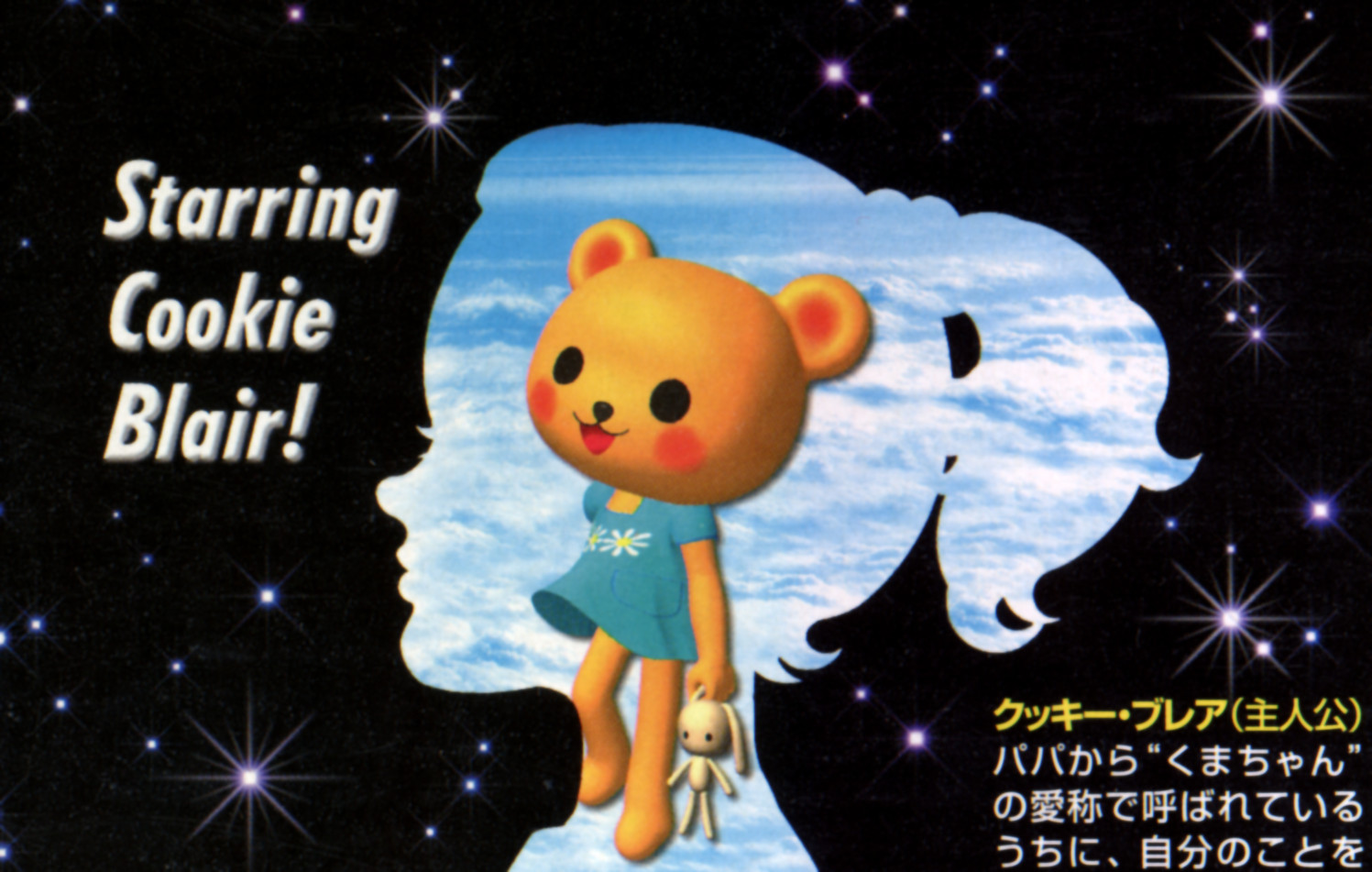
The digital preservation of obscure cultural artifacts often unfolds as a quiet, scholarly endeavor. Yet, the saga surrounding Cookie's Bustle, a profoundly bizarre 1999 Japanese computer game by developer Rodik, erupted into a high-stakes legal skirmish that exposes the fragile state of our digital heritage. The Video Game History Foundation (VGHF) recently emerged victorious from a protracted conflict with an entity known as Graceware, SL, and its principal, Brandon White—a classic example of a copyright troll. This victory is not merely about one game; it's a landmark case for archival institutions, fair use, and the defense of history against opportunistic bad-faith actors.
The Enigma of 'Cookie's Bustle' and Its Cultural Value
To understand the significance of this battle, one must first appreciate the artifact at its center. Cookie's Bustle is no ordinary title. Released at the tail end of the 1990s by the now-defunct Rodik, it defies easy categorization. Players assume the role of a five-year-old girl from New Jersey who finds herself in an international sports competition that spirals into civil war and intergalactic conspiracy. Its narrative incoherence, surreal aesthetics, and technical quirks have cemented its status as a cult classic—a piece of software art that reflects a specific, un-replicable moment in game development history.
For historians, such titles are invaluable. They serve as primary sources for understanding design trends, narrative experimentation, and the commercial landscape of niche Japanese PC gaming. The donation of a rare physical copy to the VGHF by researcher Misty De Méo was a boon for preservationists. The