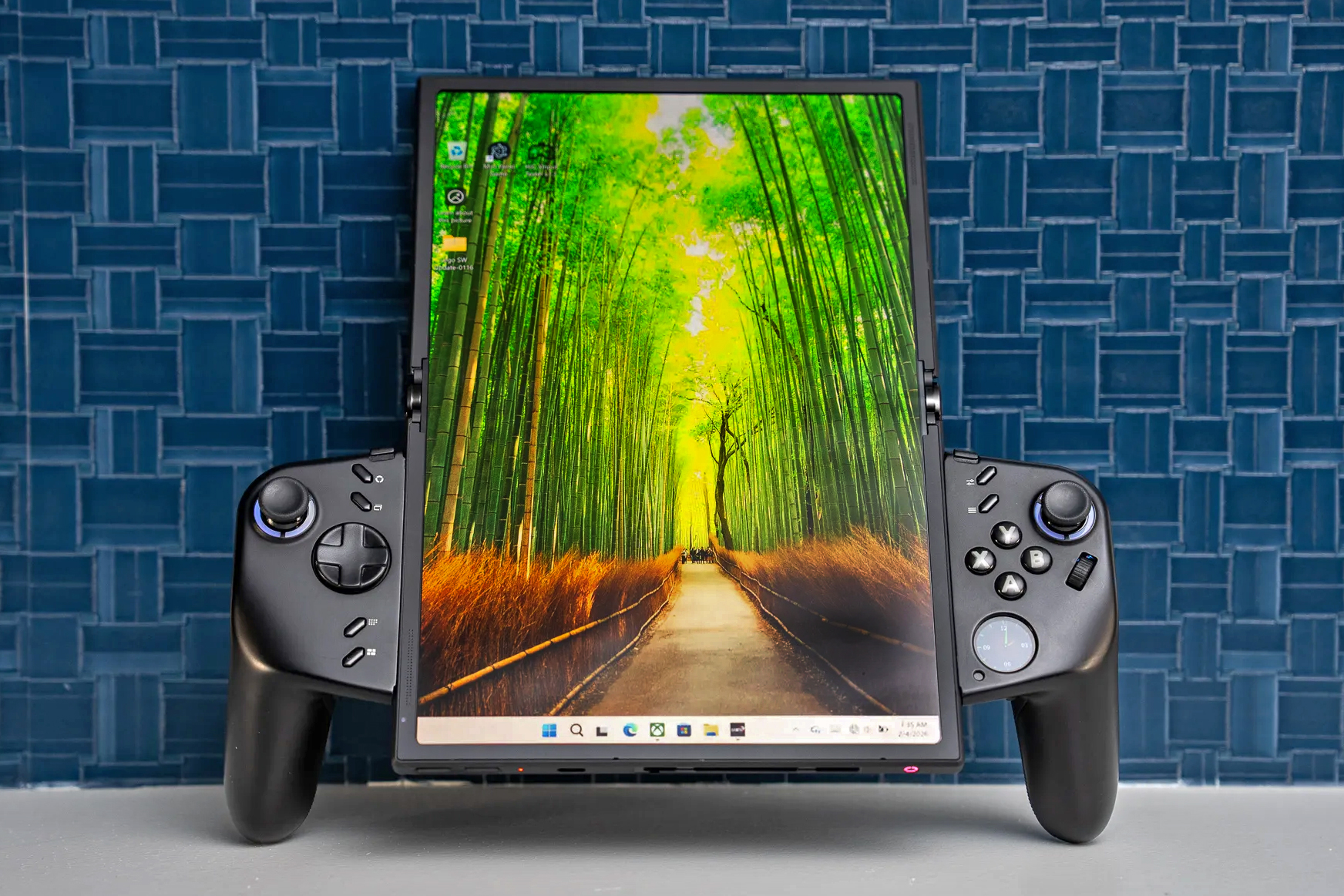
The flashing lights of Barcelona's Fira de Gran Via have dimmed, the press conferences have concluded, and the tech world has digested the initial wave of announcements from Mobile World Congress 2026. While headlines celebrated "robot phones" and "dunkable foldables," the true narrative of this year's show runs much deeper. MWC 2026 will be remembered not for a single blockbuster device, but as the catalyst for a fundamental reimagining of what mobile technology can be. We move from an era of convergence—where phones absorbed all functions—to an era of specialization, embodiment, and accessibility.
This analysis moves beyond the spec sheets to examine the underlying currents: the shift from software-centric AI to physical companions, the cautious but promising return of user-repairable and upgradeable hardware, and the aggressive democratization of high-end features that is putting immense pressure on legacy premium brands.
Key Takeaways
- Embodied AI is the New Frontier: AI is escaping screens. Concepts like Lenovo's AI Workmate signal a future where intelligence has a dedicated, task-optimized physical form, moving beyond voice assistants to proactive, environmental partners.
- Modularity Makes a Cautious, Pragmatic Comeback: After the failure of consumer-focused projects like Google's Ara, modularity is being re-targeted at professionals and creators where the value proposition (cost, customization, longevity) is undeniable and immediate.
- The "Premium" Barrier is Crumbling: Brands like Anker are delivering 90% of the core performance (e.g., Active Noise Cancellation) at 30% of the price, forcing the entire market to redefine what justifies a premium price tag.
- Durability is the Final Frontier for Foldables: The mention of "dunkable" folding phones indicates that the engineering challenges of hinges and seals are largely solved. The conversation shifts from novelty to reliability, a prerequisite for mainstream adoption.