🔍 Key Takeaways
- Unauthorized Endorsement: Platforms like Instagram and TikTok are deploying AI to attach shopping links to user content, often promoting unvetted or counterfeit goods under the creator's name.
- Erosion of Trust & Control: This practice fundamentally undermines the creator-follower relationship and strips individuals of control over their digital likeness and commercial associations.
- Legal & Ethical Quagmire: The move operates in a gray area between platform Terms of Service and emerging digital rights laws, raising questions about likeness rights and implied endorsement.
- Broader Implications: This is not an isolated test but a strategic shift towards fully automated, AI-driven social commerce that could redefine the creator economy and online identity.
The Invisible Storefront: When Your Post Becomes a Product Page
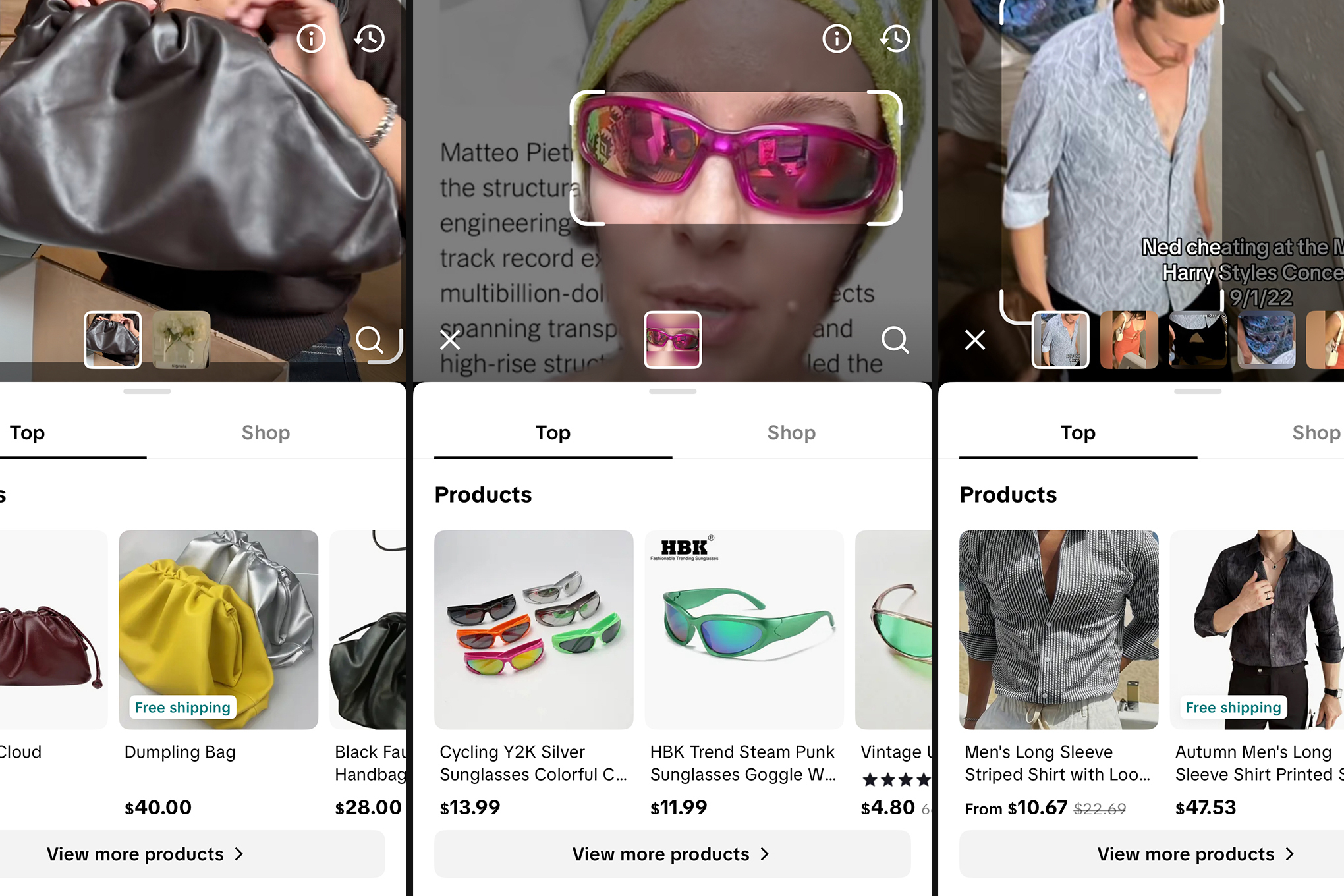
The social contract between users and platforms has always been implicit: we provide content and attention; they provide a network and tools. Recently, a new, unannounced clause appears to have been added: our personal images and creative output now serve as unpaid, unwitting salespeople for a hidden algorithmic marketplace. The emergence of features like Instagram's "Shop the look" and analogous systems on TikTok represents a profound pivot. These are not mere shopping tags added by users, but AI-generated commercial overlays applied autonomously by the platform, transforming a photo of a sunset hike or a casual outfit into a de facto product catalog page. The individual in the frame becomes, effectively, a brand ambassador for goods they have never seen, from companies they do not know.
This phenomenon moves beyond targeted advertising—where ads are placed *near* your content—into the realm of content appropriation, where the content itself is repurposed as the primary sales mechanism. The visual and contextual trust a creator has built is hijacked to lend credibility to an unrelated transaction. For influencers like Julia Berolzheimer, whose case brought this issue to light, the damage is direct and professional: her carefully curated aesthetic and trusted recommendations were algorithmically associated with "cheap knockoffs," potentially diluting her brand and misleading her audience. For the everyday user, it signals that any moment shared online is potentially raw material for a commerce engine they cannot see or control.
A Historical Pivot: From Social Graphs to Sales Graphs
To understand the significance of this shift, one must view it as the latest stage in a long evolution. Social media's first era was about connection (the "Social Graph"). The second prioritized engagement through algorithmic feeds. The current, third era is explicitly about transaction—converting the vast behavioral and visual data of the first two eras into direct sales. Meta's and TikTok's parent company ByteDance have been aggressively building out commerce infrastructures for years, from in-app checkout to live-stream shopping. The logical, and perhaps inevitable, next step is to automate the connection between content and product, removing the human middleman—the creator making an active choice to partner with a brand.
This automation is powered by advanced computer vision and machine learning models that can identify objects, styles, and even aesthetics within images and videos. A wicker chair, a particular shade of lipstick, the cut of a pair of jeans—all are parsed, categorized, and matched against a growing database of sellable items. The technology itself is not new; Pinterest's "Lens" feature has offered visual search for years. The critical difference is the application: instead of serving the user's intent to find a similar item, it serves the platform's intent to sell one, attaching that intent directly to another person's identity without negotiation.
The Legal Gray Zone: Terms of Service vs. Digital Personhood
Platforms typically defend such features by pointing to their broad Terms of Service (ToS) agreements, which users accept—often without reading—upon signing up. These documents commonly grant the company a sweeping, royalty-free license to use, modify, and distribute user content to operate and promote their services. The legal argument is that using a post to generate relevant shopping links falls under "operating the service." However, legal experts are beginning to question whether this stretches the license beyond its intended scope. When the use of one's likeness and creative output generates a direct commercial outcome that benefits the platform (through data, engagement, or potential future transaction fees) and third-party sellers, it ventures closer to the realm of commercial appropriation of likeness—a right protected in many jurisdictions.
Furthermore, there is the issue of "implied endorsement." Consumer protection laws in regions like the European Union and the United States prohibit misleading advertising. Attaching a shopping button to a person's image could easily create a false impression that the person endorses those specific products, potentially violating these regulations. The platform's disclaimer that it is a "test" and that "Meta does not take a commission" may be a legal safeguard, but it does little to mitigate the real-world perception and potential harm to the user's reputation.
Two Unique Analytical Angles Beyond the Headlines
1. The Data Feedback Loop: Training AI on Uncompensated Labor
Every image tagged by this AI shopping feature serves a dual purpose: it facilitates an immediate sale *and* it trains the algorithm to be better at the task. The user's content acts as both the bait and the training data. This creates a perverse incentive for platforms to roll out these features broadly, even as "tests," to gather massive amounts of labeled data on what objects are in images and what users eventually click on and buy. The creative labor of millions of users—the composition, styling, and photography—is thus harnessed to refine a commercial system from which they derive no benefit, a modern form of digital piecework hidden within the feed.
2. The "Democratization" Mirage and the Centralization of Value
Proponents might argue such tools "democratize" shopping by making any item findable. In reality, they centralize economic value and control. Historically, influencers and creators could build independent businesses through affiliate links, brand deals, and their own stores. This AI-driven system bypasses those direct relationships. The value—the connection between a desirable image and a purchasable item—is captured entirely by the platform's algorithm and its partnered merchants. The creator is reduced to a passive data point, their influence extracted and monetized by the infrastructure owner. This could lead to a future where successful creators are those who best optimize their content for algorithmic product recognition, rather than authentic connection, fundamentally altering the nature of online creativity.
The Road Ahead: Reclaiming Agency in the Algorithmic Age
The trajectory is clear: social platforms are evolving into full-stack commerce environments. The question is whether users will have any meaningful agency within them. Potential responses are emerging. Creators could demand transparent opt-in/opt-out controls for such features, not just for verified accounts but for all users. Legislators, particularly in the EU with its Digital Services Act (DSA) and AI Act, may scrutinize whether these practices meet requirements for transparency and fairness. Technologically, we might see the rise of "content provenance" standards or cryptographic markers that assert creator ownership and usage rights, making it harder for platforms to repurpose content without clear permissions.
Ultimately, this moment forces a necessary reckoning. It challenges users to see their posts not just as shares, but as assets. It challenges creators to view platforms not as partners, but as landlords who may unexpectedly rent out their digital storefront. The silent addition of a "Shop the look" button is more than a feature test; it is a stark reminder that in the digital town square, the walls are always listening, and they're learning how to sell.
About This Analysis
This article provides an original, in-depth examination of automated social commerce features, expanding upon initial reports with historical context, legal analysis, and forward-looking perspectives on the creator economy and digital rights. It is an independent analysis piece.