Key Takeaways
- The 2026 iPad Air receives a processor bump to the M4 chip and a significant, unexpected memory upgrade to 12GB of RAM.
- This iterative update reinforces Apple's "tick-tock" refresh cycle for the mid-tier tablet, prioritizing internal upgrades over design changes.
- The 12GB RAM boost is a strategic move to support iPadOS 26's advanced multitasking, hinting at Apple's vision for the iPad as a more capable productivity device.
- Persistent entry-level storage of 128GB and a slightly cut-down M4 chip reveal Apple's careful product segmentation between the Air and the Pro models.
- The update reflects a mature tablet market where performance gains are incremental, and software experience is becoming the primary differentiator.
The Mid-Tier Conundrum: Decoding Apple's iPad Air Philosophy
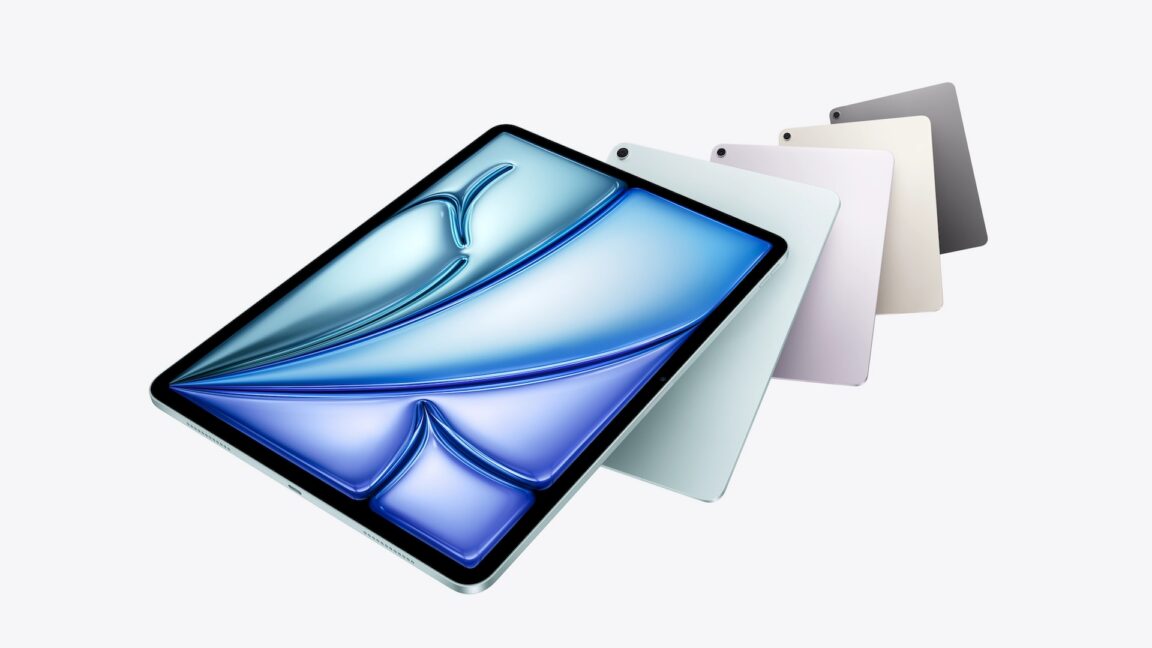
Apple's latest iteration of the iPad Air, announced for March 2026, presents a fascinating case study in product management within a saturated high-tech market. On the surface, the update appears straightforward: last year's M3 chip is swapped for the newer M4, and memory receives a generous 50% increase to 12GB. The exterior design, pricing ($599 for the 11-inch model, $799 for the 13-inch), and storage tiers remain unchanged from its immediate predecessor. This pattern of incremental, specification-focused updates has become the hallmark of the iPad Air line since its reinvention with the M1 chip, positioning it as the sensible, high-performance option for most users, squarely between the entry-level iPad and the ultra-premium iPad Pro.
However, to dismiss this as a simple "spec bump" is to overlook the nuanced strategic decisions at play. The tablet market, once a realm of explosive growth and radical redesigns, has entered a period of maturity. Annual revolutions are no longer feasible nor expected by consumers. Instead, Apple's strategy with the iPad Air seems meticulously calibrated to achieve three core objectives: maintaining a compelling price-to-performance ratio, creating clear differentiation from the Pro line without gimping capability, and future-proofing the device for software developments. The inclusion of 12GB of RAM, a feature not highlighted in prior leaks, is the clearest signal of this future-proofing intent, directly aligning with the enhanced multitasking and windowing capabilities expected in iPadOS 26.
The RAM Revelation: A Nod to iPadOS and Professional Workflows
The jump from 8GB to 12GB of unified memory is arguably the most consequential change in this refresh, far more than the move from M3 to M4 for most users. Historically, Apple has been conservative with RAM allocations in its iOS and iPadOS devices, relying on tight software and hardware integration to maximize efficiency. The decision to break the 8GB ceiling for the Air line is a significant departure. Industry analysts point to several driving factors.
First, the evolution of iPadOS itself demands more resources. With each iteration, Apple pushes the boundary between a mobile and a desktop-class operating system. Features like Stage Manager, external display support, and robust background app refresh are memory-intensive. Leaks and developer betas of iPadOS 26 suggest a further expansion of these paradigms, potentially allowing for more simultaneous live apps and complex document handling. Second, the creative and productivity software ecosystem on iPad—applications like DaVinci Resolve, Lumafusion, Procreate Dreams, and complex CAD tools—continues to advance, often bumping against previous memory limits. By providing 12GB, Apple is empowering developers to build more powerful applications and giving users headroom for increasingly sophisticated workflows, effectively narrowing the functional gap between the Air and the Pro for all but the most demanding tasks.
This move also applies subtle pressure on the competition. Competing high-end tablets from Samsung and Microsoft often tout higher RAM figures as a key selling point. By matching or exceeding these specs in its mid-tier offering, Apple neutralizes that argument and reinforces the perception of the iPad Air as an overachiever in its category.
The M4 Enigma: Understanding the "Cut-Down" Silicon
While the device is marketed with the M4 moniker, it's crucial to understand that this is not the identical chip found in the latest MacBook Air or the iPad Pro. Reports confirm this iPad Air variant features an 8-core CPU configuration, a step down from the higher core counts in other M4 deployments. This is a classic Apple segmentation tactic, but its implications are worth exploring.
From a silicon design perspective, creating these variants is efficient. It allows Apple to utilize chips that don't meet the full binning requirements for its flagship products, reducing waste. For the vast majority of iPad Air users—students, content consumers, casual creators, and business users—an 8-core M4 remains an exceptionally powerful engine, offering significant generational improvements in performance-per-watt and machine learning tasks over the M3. The real-world difference in app launch speeds or general responsiveness between this chip and the full-fledged M4 will be negligible for typical use cases.
The strategic brilliance lies in what this *doesn't* do: it doesn't cannibalize iPad Pro sales. The Pro line retains its unique selling propositions: the ultra-thin OLED "Tandem" display, superior speakers, Thunderbolt connectivity, and the highest-tier silicon. By offering a slightly attenuated M4, Apple preserves a clear performance hierarchy. This ensures that professionals and prosumers for whom every CPU core and GPU thread matters still have a compelling reason to choose the Pro, protecting its premium margins and brand positioning.
Ancillary Ecosystem and The Storage Stalemate
The update further cements the accessory divide that began with the M2 iPad Air. Compatibility remains exclusive to the Apple Pencil Pro and the newer Magic Keyboard designs. This creates a clear generational line within the iPad Air family itself, encouraging an ecosystem upgrade for users moving from an M1 or older model. While potentially frustrating for consumers with existing accessories, it drives attachment revenue and ensures users of the latest hardware have access to features like haptic feedback and the squeeze gesture on the Pencil Pro.
One point of continued critique is the persistence of 128GB as the base storage. In an era where 4K video is commonplace, app sizes are bloated, and offline media libraries are vast, 128GB feels increasingly restrictive. Apple's storage upgrade pricing—$100 for 256GB, $300 for 512GB—remains a significant profit center and a point of friction for cost-conscious buyers. This decision underscores a calculated gamble: that for the target "Air" customer, cloud storage solutions like iCloud+ and streamlined media management are sufficient to offset the limited local space. It's a compromise that keeps the entry-level price attractive on marketing materials, even if the practical entry point for many users is $100 higher.
Market Context and Future Trajectory
This iPad Air launch occurs against a backdrop of a global tablet market that has seen fluctuating demand post-pandemic. Growth is no longer explosive; it's driven by replacement cycles and specific use-case adoption. Apple's response is not to reinvent the wheel but to refine a proven formula. The 2026 iPad Air is engineered to be the default recommendation for anyone seeking a powerful, versatile tablet without the Pro price tag.
Looking ahead, this refresh raises questions about the future of the iPad line. Does this iterative approach signal that the fundamental form factor and interaction model of the iPad have reached their peak? The focus now seems shifted squarely to software. The success of this M4 iPad Air will depend less on its hardware specs—which are excellent—and more on whether iPadOS 26 delivers a software experience that fully leverages the 12GB of RAM and M4 power to create new, indispensable workflows. If iPadOS continues its gradual evolution, the Air is well-positioned. If a more transformative software leap emerges, this hardware may be seen as the foundation that made it possible.
In conclusion, the M4 iPad Air is a masterclass in calculated, incrementalism. It is not a device designed to generate headlines with radical new features. Instead, it is a strategically tuned instrument meant to consolidate Apple's dominance in the mid-to-high-end tablet segment, satisfy the upgrade cycle of millions of users, and quietly lay the hardware groundwork for the next phase of iPadOS. Its story is not one of revolution, but of intelligent evolution, reflecting the sophisticated and mature market in which it now competes.
About This Analysis
This editorial analysis was prepared by the technology desk at hotnews.sitemirror.store. It is based on official announcements, historical product data, and industry trends. The perspectives offered are independent and aim to provide context beyond basic product specifications. Apple, iPad, iPadOS, M4, and Apple Pencil are trademarks of Apple Inc.