Apple's M5 MacBook Pro: A Strategic Masterstroke or Just Another Chip?
Beyond the Press Release: Decoding Apple's Silicon Gambit
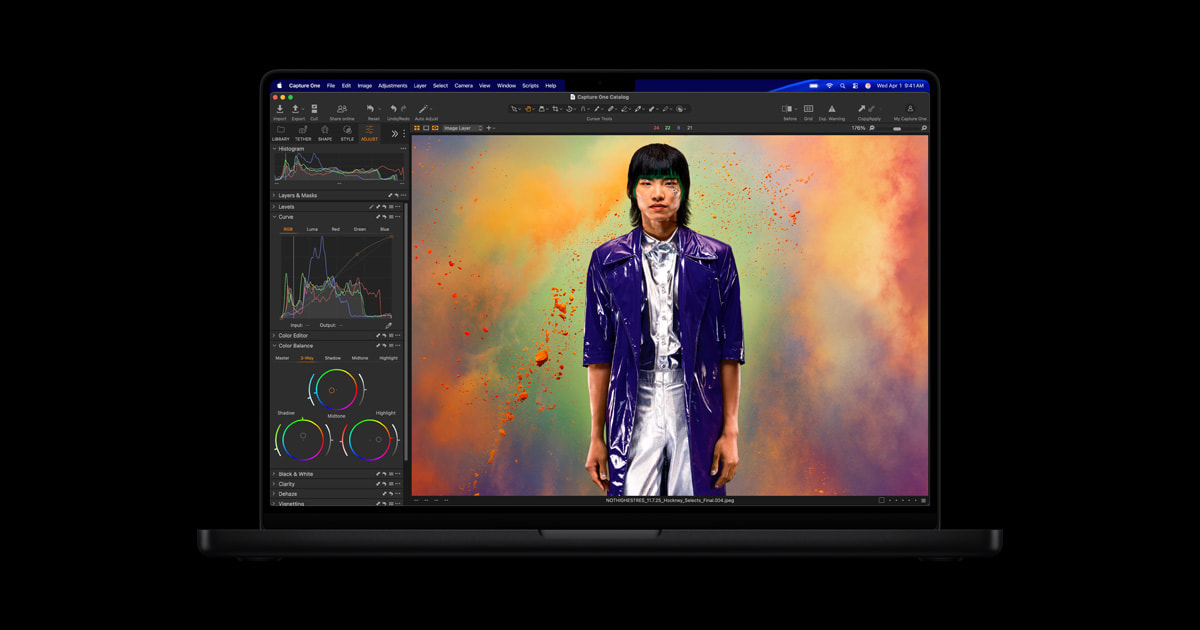
On March 3, 2026, Apple issued a press release announcing the latest iteration of its flagship professional laptop, the MacBook Pro, now powered by the all-new M5 Pro and M5 Max chips. The headlines tout "breakthrough pro performance" and "next-level on-device AI." But for industry observers and power users, the announcement is less about a simple spec bump and more about a calculated move to cement Apple's architectural dominance and redefine the very purpose of a professional computer.
This analysis moves beyond the marketing language to examine the strategic implications of the M5 generation. We will explore three critical angles: the shift from raw compute to AI-centric silicon design, the escalating war for the professional creative and developer mindshare, and the long-term implications of Apple's vertical integration for the entire PC industry.
Key Takeaways
- The AI Pivot is Real: The M5's "next-level on-device AI" isn't just a feature; it's the new central thesis. Apple is betting that future pro workflows will be defined by local neural processing, not just CPU/GPU brute force.
- Storage as a Performance Metric: Doubling SSD speeds and starting at 1TB isn't mere convenience. It's an acknowledgment that professional data sets have outgrown legacy storage paradigms, making I/O a critical bottleneck.
- The Closure of the Intel Chapter: With the M5 generation, any lingering performance parity arguments with high-end Intel or AMD workstation chips