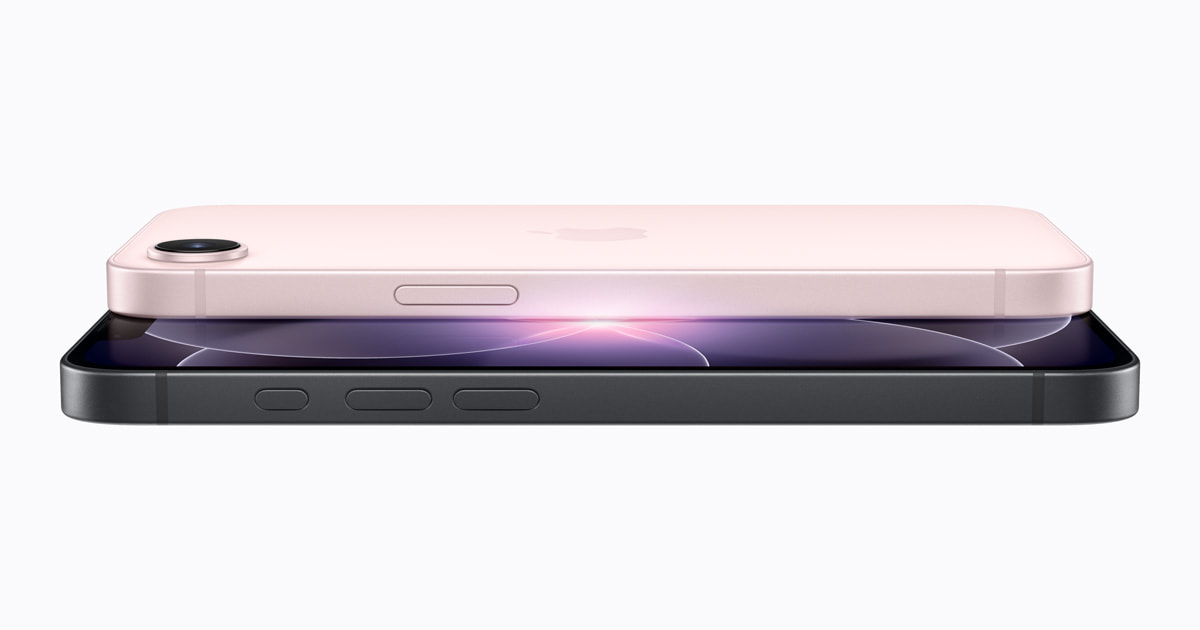
The technology landscape witnessed a significant strategic maneuver on March 2, 2026, as Apple unveiled the iPhone 17e. While the official announcement frames it as a device delivering "incredible value," a deeper examination reveals a calculated play by the Cupertino giant to fortify its position in the increasingly contested and lucrative mid-range smartphone segment. This launch is not merely a product refresh; it is a statement of intent, addressing specific market pressures and consumer expectations that have evolved dramatically since the inception of the "e" series.
Key Takeaways
- Strategic Repositioning: The iPhone 17e represents Apple's most aggressive push into the value-conscious premium segment, directly challenging Google's Pixel "a" series and Samsung's Galaxy A-line.
- Storage as a Standard: Doubling the base storage to 256GB is a consumer-friendly move that pressures the entire industry to move away from 128GB as a baseline, reflecting modern data consumption patterns.
- Ecosystem Reinforcement: The inclusion of MagSafe is a critical strategy to lock users deeper into Apple's accessory ecosystem, creating recurring revenue streams beyond the hardware sale.
- Durability as a Differentiator: Enhanced durability specs signal Apple's focus on real-world longevity, a key purchasing factor for cost-sensitive buyers who keep devices longer.
Decoding the "Value" Proposition: More Than Just Specs
Apple's marketing emphasizes "incredible value," a term that has historically been sparingly used for its products. The iPhone 17e's value equation is built on a multi-faceted foundation. The promised "faster performance" likely stems from a previous-generation A-series chip—potentially the A18 Bionic from the iPhone 16 lineup—offering flagship-caliber speed at a reduced cost. This trickle-down silicon strategy has proven effective, providing performance that outpaces most Android competitors in the same price bracket.
The "advanced camera system" warrants scrutiny. It may not feature the cutting-edge tetraprism lens of the Pro models, but expect significant computational photography upgrades, perhaps leveraging the Neural Engine of the older chip for improved Night mode, Smart HDR, and photographic styles. This allows Apple to deliver a premium imaging experience without the associated hardware costs of new sensors.
However, the most tangible and industry-shifting aspect of this value pitch is the doubling of starting storage to 256GB. For years, 128GB has been the frustrating industry standard for base models, often forcing users into costly upgrades. By making 256GB the new baseline, Apple is acknowledging the reality of 2026: 4K video is commonplace, app sizes are bloated, and cloud storage subscriptions are an ongoing cost. This move pressures rivals like Samsung and Google to follow suit, potentially resetting consumer expectations for the entire mid-to-high-end market.
The "e" Series Evolution: From Experiment to Cornerstone
To understand the 17e's significance, one must trace the lineage of Apple's more affordable iPhone line. What began as the iPhone SE—a nostalgic nod to classic design with modern internals—has morphed into the "e" series, a distinct product category aimed at a specific demographic. This demographic is not defined solely by price sensitivity but by a desire for the core Apple experience: iOS, long-term software support, and ecosystem integration, without the premium attached to the latest materials or pro-grade features.
The iPhone 17e solidifies this series as a permanent, strategic pillar. It is no longer a cyclical afterthought but a planned vehicle to capture market share from Android defectors and serve as an entry point for younger users. Industry analysts note that the "e" series has become critical for Apple's growth in emerging markets like India and Southeast Asia, where average selling prices are lower but volume potential is immense. The enhanced durability mentioned in the release is a direct response to feedback from these markets, where device longevity is a paramount concern.
MagSafe: The Ecosystem Lock-In Strategy
The inclusion of "the magic of MagSafe" is a masterstroke in ecosystem strategy. On the surface, it's a convenience feature for wireless charging and accessory attachment. Beneath the surface, it is a powerful tool for customer retention. By standardizing MagSafe across its lineup, Apple ensures that a user purchasing an iPhone 17e also invests in a universe of compatible chargers, wallets, car mounts, and battery packs. This creates a tangible switching cost.
If a user contemplates moving to a Google Pixel in two years, they must consider abandoning their collection of MagSafe accessories. This "stickiness" is a classic Apple tactic, perfected with the Lightning connector in the past and now elevated with a magnetic, accessory-rich system. It transforms the iPhone from a standalone device into the hub of a personalized, revenue-generating accessory ecosystem.
Competitive Landscape: A Direct Challenge to Android's Stronghold
The iPhone 17e enters a battlefield dominated by formidable Android offerings. Google's Pixel "a" series has earned acclaim for delivering best-in-class camera software at aggressive prices. Samsung's Galaxy A series offers expansive AMOLED displays and feature-packed devices. The 17e's mission is to undercut these rivals not on a spec sheet, but on the holistic, long-term ownership experience.
Apple's trump cards remain iOS, with its cohesive design and privacy focus, and an unmatched software support promise (likely 6-7 years of updates). For the pragmatic buyer, the total cost of ownership—factoring in resale value, which iPhones famously retain, and the absence of performance degradation over time—makes the 17e a compelling alternative. It reframes the purchase from a hardware transaction to an investment in a stable, long-lasting digital tool.
Analytical Angles Beyond the Announcement
1. The Supply Chain and Component Strategy
The iPhone 17e's specifications suggest a sophisticated supply chain play. Using a year-old processor allows Apple to optimize production costs on mature silicon nodes. The 256GB storage shift may indicate favorable long-term contracts with NAND flash memory suppliers or a strategic move to reduce SKU complexity. This device is as much a feat of logistical and cost engineering as it is of product design, allowing Apple to maintain healthy margins while offering perceived value.
2. Environmental and Sustainability Implications
The focus on "enhanced durability" aligns with growing regulatory and consumer pressure for longer-lasting electronics. By building a more robust device intended to survive longer, Apple indirectly addresses e-waste concerns. Furthermore, if the 17e uses a higher percentage of recycled materials in its construction—a trend for Apple—its value proposition extends into the ethical and environmental realm, appealing to a generation of conscious consumers.
View Market Context & Historical Data
The mid-range smartphone segment (approximately $400-$700) has been the fastest-growing category globally for the past three years, according to IDC and Counterpoint Research. Apple's share in this segment, while growing, has traditionally been smaller than in the premium tier. The iPhone 17e is a direct assault on this growth vector. Historically, successful "value" iPhones like the iPhone 11 and the second-generation iPhone SE have driven significant market share gains and introduced millions of new users to the Apple ecosystem, who often later upgrade to higher-end models. The 17e is engineered to continue this successful funnel strategy.
Conclusion: A Calculated Masterstroke
The iPhone 17e is far more than a new phone model. It is a meticulously crafted instrument of market strategy. It defends Apple's flanks against aggressive mid-range Android competitors, expands its addressable market, deepens ecosystem loyalty through MagSafe, and resets industry standards with its 256GB storage baseline. For consumers, it offers a legitimate path to the Apple experience without a prohibitive price tag. For Apple, it is a vehicle for sustained growth, customer acquisition, and ecosystem reinforcement. In the grand chessboard of the global smartphone industry, with the iPhone 17e, Apple has made a powerful, value-driven move that its rivals will be forced to answer.